1.5, United States/Canada

Flags of Our Fathers

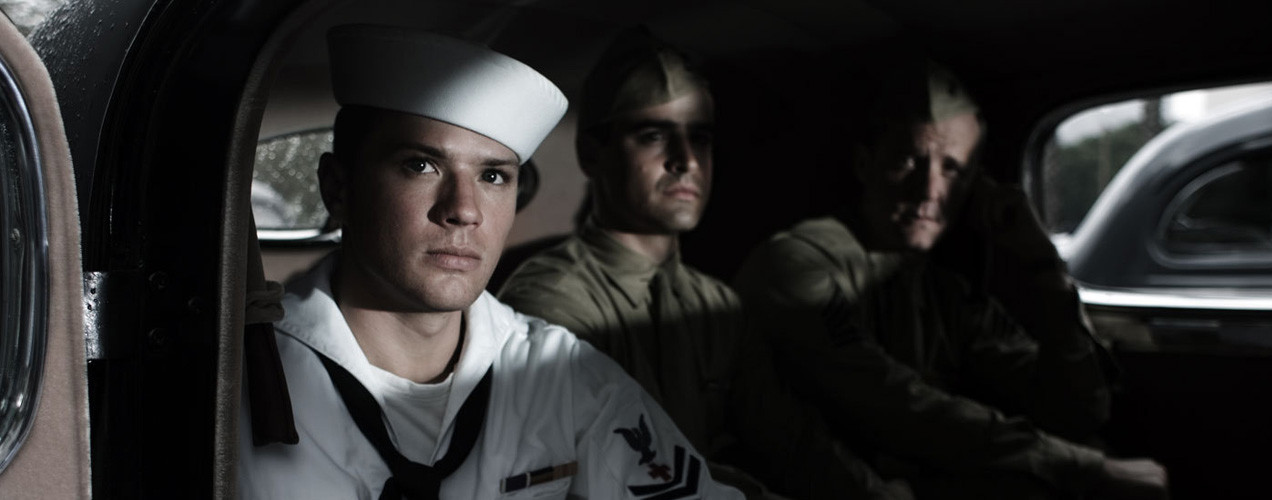
2006 / Clint Eastwood > What can I say? Paul Haggis is one of the most skillful writers in Hollywood when it comes to manipulative, contrived scripts that base their sole existence on every cliche in the book. I don’t mean to sound harsh, but I did find myself having a tough time not walking out of this unnecessarily melodramatic drivel that just about drove me to laughter at many of its most “critical” points.

Flags of Our Fathers has a story behind it that could have been brilliantly approached with a level of subtlely and intelligence that would have made it a surefire Oscar candidate. Similar to Saving Private Ryan, it had the capability of being a poignant war allegory. However, Haggis (and arguably Eastwood) filled the film with enough sewage to destroy any message it could have represented.

This is the worst film I have seen in theatres this year. The war sequences, while beautifully done, were pointless and, amazingly, just boring. I cared about none of the characters, and there was only one good sequence of dialogue and two scenes where I felt any real emotion—which, coincidentally, where both contrived beyond belief. This is disappointment that I cannot explain. A great story mistold. One can only hope Letters From Iwo Jima does not suffer the same fate.

Standard
3.0, United States/Canada

The Devil Wears Prada

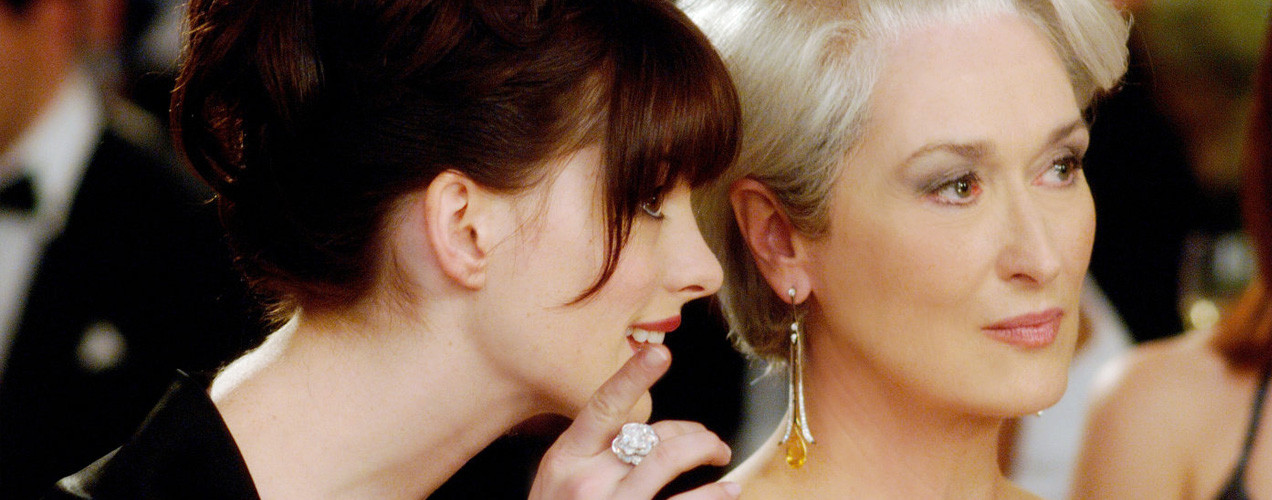
2006 / David Frankel > How’s this for a film trying to justify the existence of the fashion industry? And maybe even show that it’s not just glitz and glamour, but full of heart too! Well, whether you believe much of the fashionista propaganda or not, The Devil Wears Prada is still an enjoyable, formulaic ride enhanced by the presence of the one and only Meryl Streep. Sure, Anne Hathaway is nice, but one has to wonder how filmsy the film’s foundation would have been without Streep’s presence. The only real misstep was the decision by the screenwriters to chose an irrational ending that heavily deviated from the film’s general ideals.

Standard
3.5, United States/Canada

In the Bedroom

2001 / Todd Field > In his debut, Field crafts a quiet work that lingers at the edge of one’s bones. While not as polished or impeccable as The Sweet Hereafter, both films challenge the viewer to face a state of gloom with patience, courage and hope. Tenseness is everpresent, but rarely does it overdo its charm. And while there are small missteps here and there (notably part of the climax), incredible performances from Tom Wilkinson and Sissy Spacek ultimately glues the work to one’s mind.

Standard
3.0, United States/Canada

The Da Vinci Code

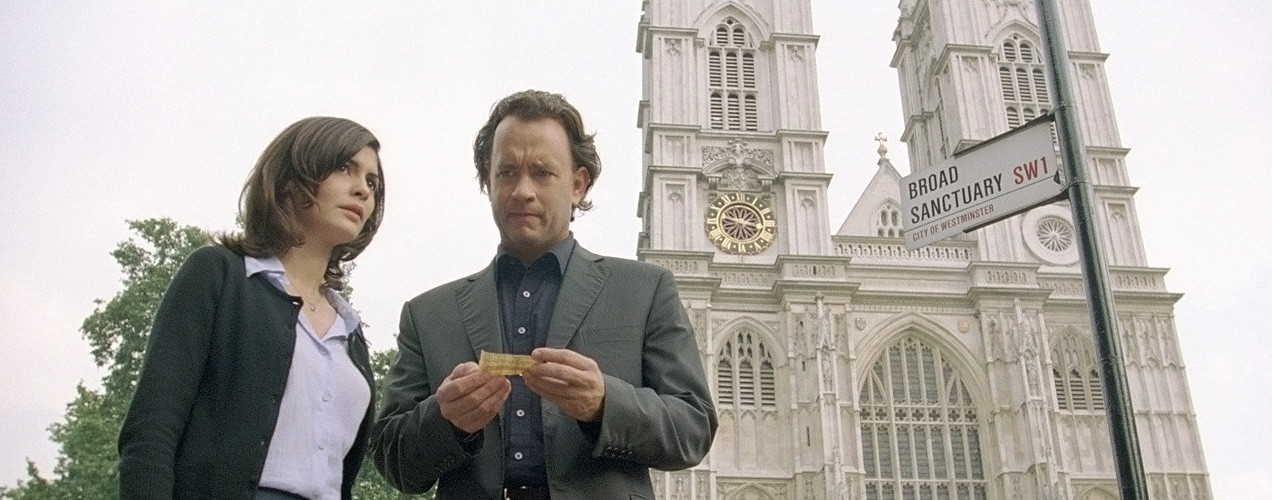
2006 / Ron Howard > Having never read the book, my expectations for The Da Vinci Code were moderate at best, especially after the barrage of critical dismay during Cannes. For its part, that may have worked out well, as I found the film to be a well-crafted, well-paced mystery that kept me surprisingly interested for a good part of its two and a half hour journey. It’s not particularly dense, and things are explained to a degree where there’s not much thinking involved. In other words: it’s very appropriate for simple enjoyment. The ending took a bit too long (and that’s time that Howard arguably could have used elsewhere), but the production quality is superb enough that it’s hard not to recommend this as a solid popcorn movie. Just don’t expect references for a Ph.D thesis.

Standard
1.5, United States/Canada

Crank

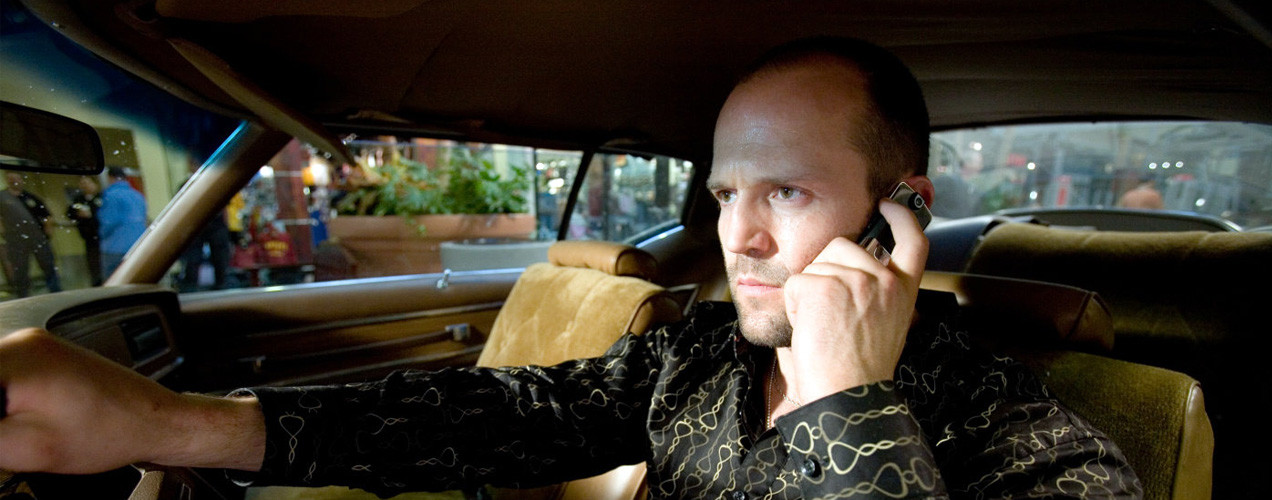
2006 / Mark Neveldine & Brian Taylor > The MPAA advises audiences for strong violence, pervasive language, sexuality, nudity and drug use in Crank. While all of these positively contribute to the feel of this Jason Statham vehicle, none of these could have saved it from falling flat on its face. The plot is a gimmick, the story is bland and, with the exception of a sequence or two, there’s little here that’s memorable.

Standard
4.5, United States/Canada

Half Nelson

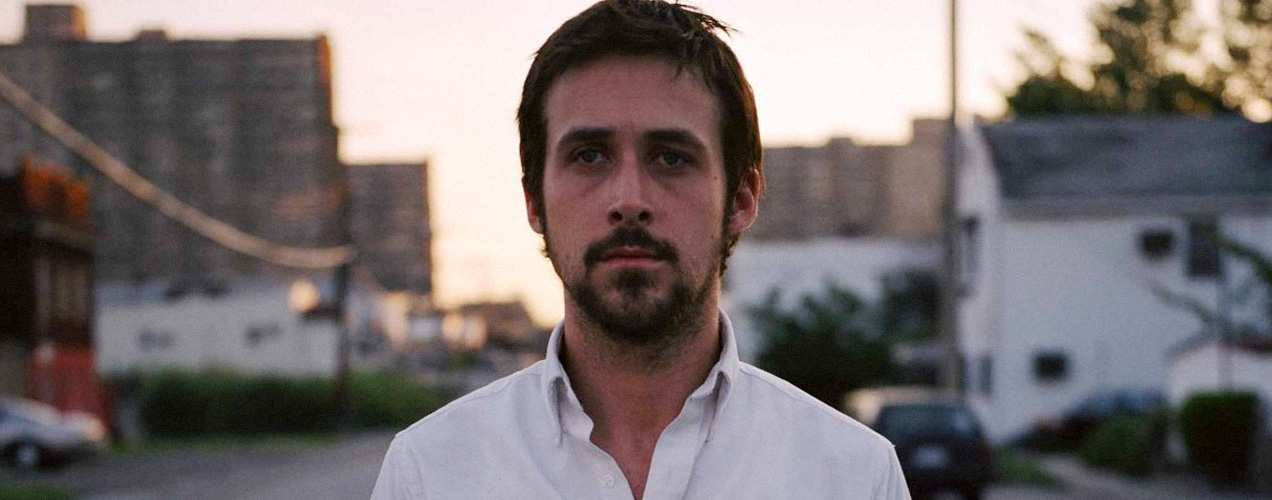
2006 / Ryan Fleck > Bad before the good: Much of the film’s realism and objectivity is lost through the “mini-lectures” made on society and the government. While interesting, they take away from the interplay between the king (Gosling) and queen (Epps) of the show. The only reasonable explanation for these inserts might be that writers Fleck and Anna Boden needed a little bit of this and that to stretch the original short (“Gowanus, Brooklyn”) into this full-fledged feature.

That aside, the poignancy of Half Nelson is present in the way it’s resonated in my mind for the past few weeks. Against the backdrop of Broken Social Scene’s score, Gosling’s portrayal of a crack-addicted schoolteacher in the inner-city is a testing experience. The beats are heavy, and the film is filled with areas of gray that have little in terms of definition. Shareeka Epps’ performance as Gosling’s headstrong pupil is glowing—undoubtedly one of the breakout young actors of the year. Not much of the story is predictable. The second half of the film crescendoes into its final sequence, one of heartbreak and simplicity. Things click, and things may or may not work. Thankfully, the film does.

Standard
2.0, United States/Canada

The Fast and The Furious: Tokyo Drift

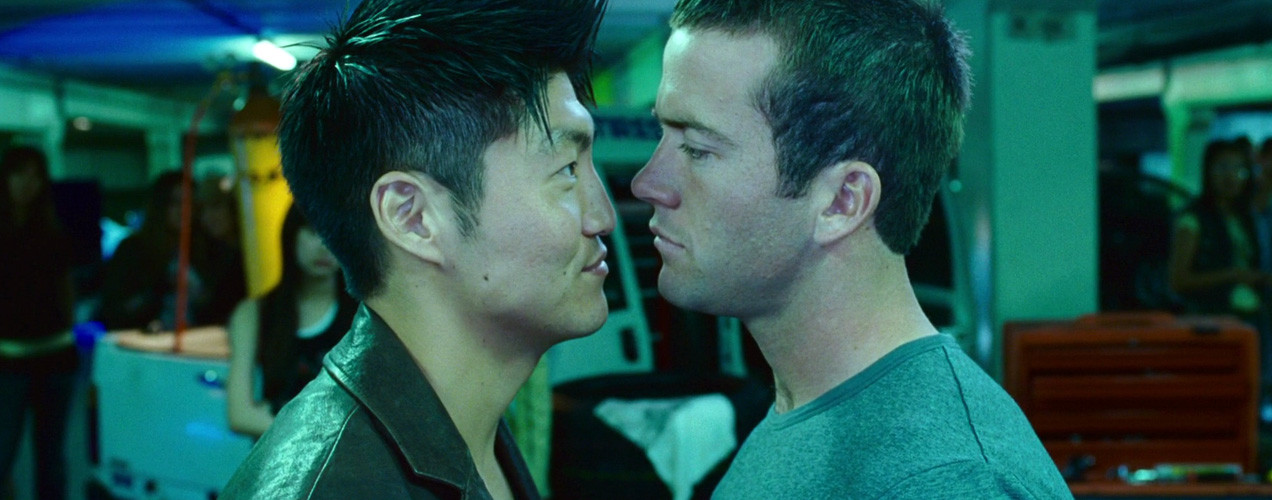
2006 / Justin Lin > There are a few great scenes in the film, including an incredible sequence deep in the heart of Shibuya. And many will argue that these scenes make the film worth its running time. Unfortunately, the story itself is so bland and teeth-tugging, it’s hard to care for any of the characters, including the horribly miscasted Lucas Black as an good ol’ Southern boy who just can’t stay away from his cars. The races, of course, are the focus, and they are successful for the most part. I did find the climactic race a little boring compared to the introductory one, and up until that point I had hopes for a smashing finish. I find myself disappointed, having put my faith in Justin Lin since he will direct the American Oldboy. After all, high standards are warranted when you’ve been picked to do such a project.

Standard
3.0, Europe, United States/Canada

The Illusionist

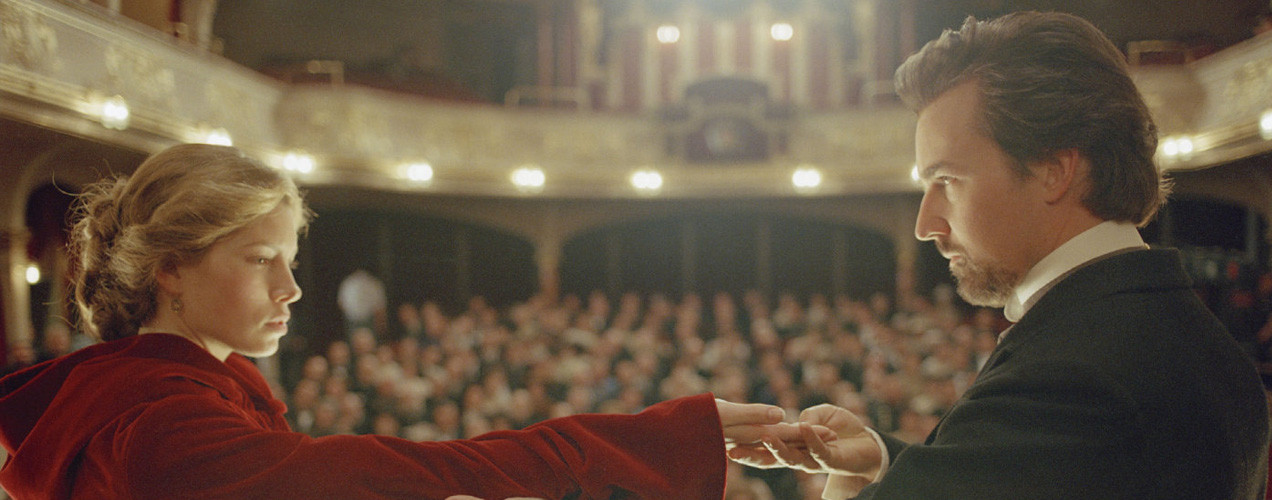
2006 / Neil Burger > One of the most refined films of the year, it’s hard to find any technical flaws in The Illusionist. Most noticeable is its cinematography, crisp and decisive about its turn-of-the-century Vienna setting. The mood is further perfected by Philip Glass’ elegant score. The acting is above par at worst, with Rufus Sewell’s post-Dark City re-emergence being a pleasant welcome. But as the drama unfolds, we find ourselves within a rich love story that, unfortunately, feels like it’s on shaky foundations. Thankfully, the mystery of the illusions drives the story forward. By the end, it is what it is: The unexpected is actually expected, but we not only only accept it, but actually enjoy it.

Standard
4.0, United States/Canada

Little Miss Sunshine

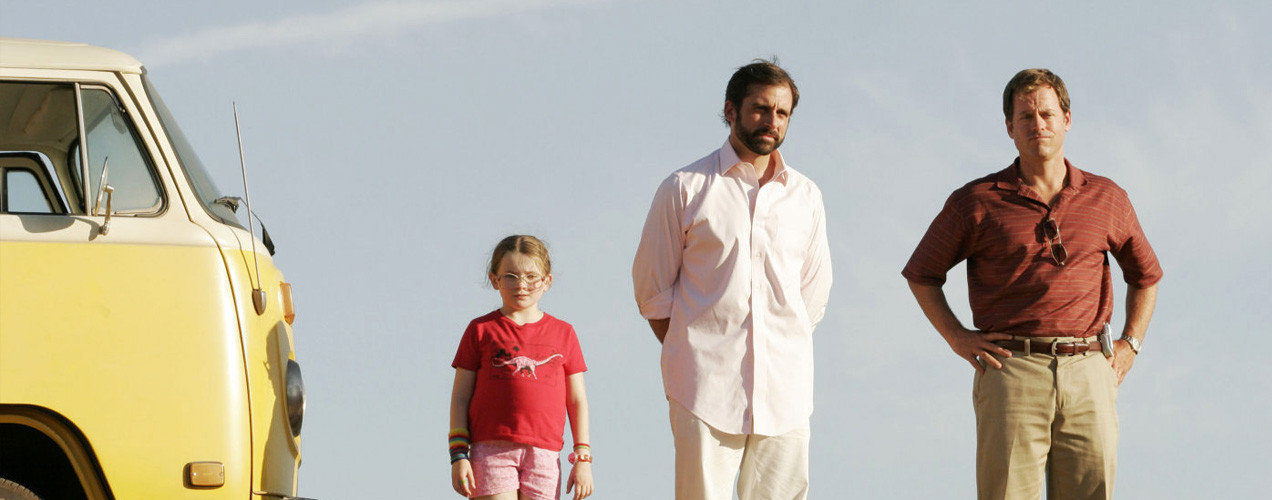
2006 / Jonathan Dayton & Valerie Faris > The primary complaint about Little Miss Sunshine has been how contrived its characters are, how they so easily fit into sitcom slots. It’s true, but I found it to be a positive attribute of the film. Each family member is exploited to create a ranged satire of the American dysfunctional household. It’s not meant to be cheap and actually comes out surprisingly clever.

At times, I found myself genuinely laughing, the way only a few films have (such as this year’s Family Ties and last year’s The Upside of Anger). We end up empathizing with much of the silliness, sometimes directly and other times in a metaphorical sense. Much of this is due to the superb acting: Virtually everyone shines, including a heartbreaking sequence by The Girl Next Door’s Paul Dano.

The writing is crisp, but one could make an argument that the plot is a little too connect-the-dots. It ends up working, however, mostly because of the “road movie” nature of the film. Indeed, it’s a wonderful ride from beginning to end, even if one finds the return home a little muted in direction. The final revelations aren’t holistic, and that may be enough to keep it from reaching higher ground.

Standard
2.0, Europe, United States/Canada

Tideland

2006 / Terry Gilliam > If your only defense for Tideland is the phrase, “It’s Gilliam’s purest film yet,” chances are you’ll have to do better than that to please the general audience. There’s a lot here to love, but unfortunately there’s also a lot here to bore. The idea that the whole story is told through the eyes of Jeliza-Rose, a young girl who becomes orphaned early on by her heroine-abusing parents (played superbly by Jeff Bridges and Jennifer Tilly), is by no means enough to validate the long, enduring passages of repetitive dialogue and uneventful actions. Were this to be a short(er) film instead of clocking in at almost exactly two hours, the tightness of the script would have held together the otherwise magical aspects of the film.

Star Jodelle Ferland is truly a sight to behold: She drives every scene with one of the most charismatic performances seen by a young actor in quite a long time. Co-star Brendan Fletcher, playing a mentally challenged boy/man, also shines, and the two balance each other well enough in the latter half of the film to make things a little more bearable. The cinematography is dark yet beautiful, and the overall feel of the film is almost an anti-Alice in Wonderland (although, there are no extensive travels into a rabbit hole here). For any Gilliam fan, this is a must-see, love or hate. For others, it’s a crapshoot at best.

Standard